Seize the Summer While Minimizing Spending

With summer in full swing, many people may already be feeling a pinch in their pocketbooks. Unlike the fall and winter seasons when people are more likely to want to cozy up at home and be hermits, the siren call of the warm sun and blue skies are irresistible to many wanting to make the most out of these glorious months. Continue reading


Millennial Money: Personal Finance Lessons from Millennials

Millennials have a false reputation of not being savvy with their finances. There seems to be a stereotype regarding money management that has adhered to this generation with no known cause. While millennials are inarguably faced with the largest debt burden compared to previous generations, they are using that drawback to exercise smart spending and saving skills.  The fact is that millennials are actually quite creative and knowledgeable when it comes to their finances. They just save and invest in different ways than most other generations are accustomed to. Here are some lessons to take from the millennial generation. Continue reading

Saving for Retirement Without a 401(k)

While investing in a 401(k) retirement plan is a viable option for some people, there are several alternatives for building a nest egg that will provide you with more flexibility. Your employer may not offer a 401(k) plan, or even if they do, you may be seeking a backup plan. Here are four options for saving for retirement outside of a 401(k).

Continue reading

Employee Benefits & Job Satisfaction

There is a distinct correlation between employees being satisfied with their job and the benefits that job offers. Employers that offer benefits (whether they be medical, dental, or vision insurance) can expect that their employees will be generally happier at work.

Continue reading

Don’t Ignore Your Credit Score

Photo by CafeCredit under CC 2.0

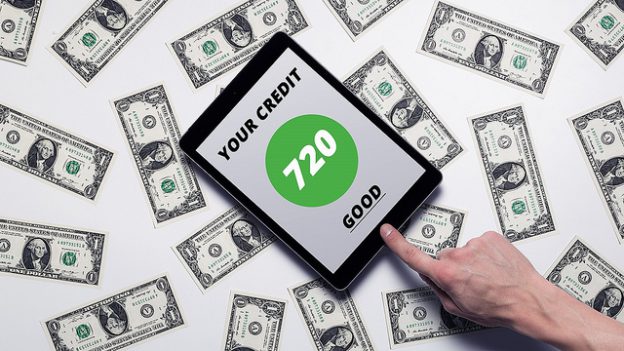
You may be like so many other people and be confused about what your credit score means and how it impacts you. Another common misconception is that you shouldn’t use credit unless you can’t afford something. This may be putting you at a disadvantage when you need to make a larger purchase, such as a car or a home. Continue reading

Working During Your Vacation: Finding the Balance

These days, people often talk about work/ life balance. It’s an easy thing in theory to understand, but often difficult in practice to implement. This holds especially true when you’re on vacation. Granted, sometimes it’s unavoidable to not work while you’re on break.

If you have an upcoming vacation and you know that you’ll have a hard time maintaining your work/ life balance while you’re gone, here are some pointers to help you spend more of your vacation vacationing and less of it working.

These three tips help you set up the systems that you need to set up before you go in order to achieve more balance on vacation. They also help you to establish some work safety nets so to speak so that if it’s truly an emergency, your clients are still taken care of even if you’re not there. Continue reading

Working From Home: Creating a Productive Space

More people today work from home than ever before. The Internet has made this scenario possible. Connect with colleagues without a physical commute. The career possibilities are almost endless.

However, you don’t just show up to a standard office anymore. You must create one yourself. Take a few tips from the experts as you build an office that reflects personality and productivity. Working from home can be a thrill with these office suggestions. Continue reading

Warning Signs That Your Debt Is Getting Out Of Control

If you’re like most folks in the United States, you may have some debt. For may people, some debt is fine. But for others, it can be a real financial burden. Is your debt getting out of control? Read further to see if it it and learn about some tips for getting your debt back in check.
Warning Signs for People With Debt
The following symptoms or conditions may indicate your debt is out of control:
  • Your debt is causing you stress, even to the point of losing sleep.
  • You are not saving regularly from you paycheck because you need the money to finance your debt.
  • Your emergency fund has run out and your debt is still out of control.
  • You use your credit cards to pay off debt and now they are maxed out.

If these or other emotionally painful experiences are haunting you, you may need to get a better handle on your debt situation.

Types of Debt
Everyone is different so that means that there is no one hard-and-fast rule regarding how much debt is too much for any one individual or family. Nonetheless, it is often useful to think in terms of three types of debt: Good Debt, Bad Debt, and Toxic Debt. Let’s examine these:
  • Good Debt: Debt that is taken on to buy something that generally increases in value, such as a home or business.
  • Bad Debt: Loans taken on at very high interest to buy things that decrease in value or are rapidly used up.
  • Toxic Debt: Debt with sky-high interest rates and/or debt you simple cannot afford.

Debt/Income Ratio

A good yardstick to use when thinking about your debt is your Debt/Income Ratio. If it is 15% or less, you are likely using debt wisely. If it is greater than 50%, you are likely having a problem with too much debt. What is your Debt/Income Ratio?

Tips for Effectively Managing Your Debt

Here are some useful tips to keep in mind when considering taking out a loan for several common needs or wants:

  • Housing: Limit your housing costs to 35% of your income or less. If it is too high, consider refinancing your mortgage.
  • Cars and Other Vehicles: Most experts suggest that car loan expense should remain below 20% of your take-home pay. If your debt level is beyond this consider refinancing or buy a less expensive vehicle.
  • College and Other Education: Here’s a simple rule: Don’t borrow unless you have to! If you need to finance your college or trade-school education, take on no more debt than you expect to earn in your first year working after college.

In conclusion, debt can be a good thing or a real detriment to your financial well being. By considering the type of debt you are incurring, and by calculating your Debt/Income Ratio, you may be better able to assess your risks. Above all, stay away from Bad Debt and especially Toxic Debt.

Continue reading