


Checks remain a trusted payment method for both individuals and businesses, but not all checks serve the same purpose. A personal check is designed for everyday individual payments, while a business check is made for professional transactions, accounting records, payroll, vendor payments, and company expenses.
Understanding the difference between the two can help you choose the right format, keep your finances organized, and make payments with confidence. Whether you need simple personal checks for household use or professional business checks for company payments, the right check style can make a noticeable difference.
What Is a Personal Check?
A personal check is linked to an individual checking account. It usually includes the account holder’s name, address, bank routing number, account number, check number, date line, payee line, amount fields, memo line, and signature line.
Personal checks are commonly used for rent, gifts, school payments, household services, donations, and other non-business expenses. They are typically smaller than business checks and may come in a wide range of colors, patterns, and personal design styles.
For individuals, the main benefit is convenience. Personal checks are simple to carry, easy to write, and useful when a debit card, credit card, or digital payment is not the preferred option.
What Is a Business Check?
A business check is connected to a business checking account rather than a personal account. It typically includes the company name, business address, banking details, check number, and often additional space for records or payment details.
Business checks are used for company-related expenses such as vendor invoices, rent, utilities, payroll, contractor payments, reimbursements, supply purchases, and tax-related payments. They also help keep personal and business finances separate, which is especially important for bookkeeping, accounting, and tax preparation.
Business Check vs. Personal Check: Key Differences
Account Type
The biggest difference is the account behind the check. Personal checks draw money from an individual bank account. Business checks are drawn from a business account owned by a company, sole proprietorship, LLC, corporation, or other organization.
Keeping these accounts separate helps create cleaner financial records and makes it easier to track business income and expenses.
Format and Size
Personal checks are usually compact and simple. Business checks often come in larger formats with room for stubs, vouchers, invoice details, or payroll information. This extra space helps businesses document why a payment was made and who received it.
Professional Appearance
A business check presents a more professional image when paying vendors, employees, or service providers. Instead of using a personal name, the payment comes directly from the business, which helps reinforce credibility and keeps transactions clearly tied to company operations.
Recordkeeping Features
Business checks often include features that support internal tracking. Depending on the format, they may include detachable vouchers, payroll sections, invoice lines, or duplicate record areas. These details can make reconciliation and filing easier.
Types of Business Checks Available
Different businesses need different check formats, which is why Checkworks offers several options.

Laser checks are ideal for businesses that print checks using accounting or payroll software. They are a strong choice for companies that want efficient, professional check printing.
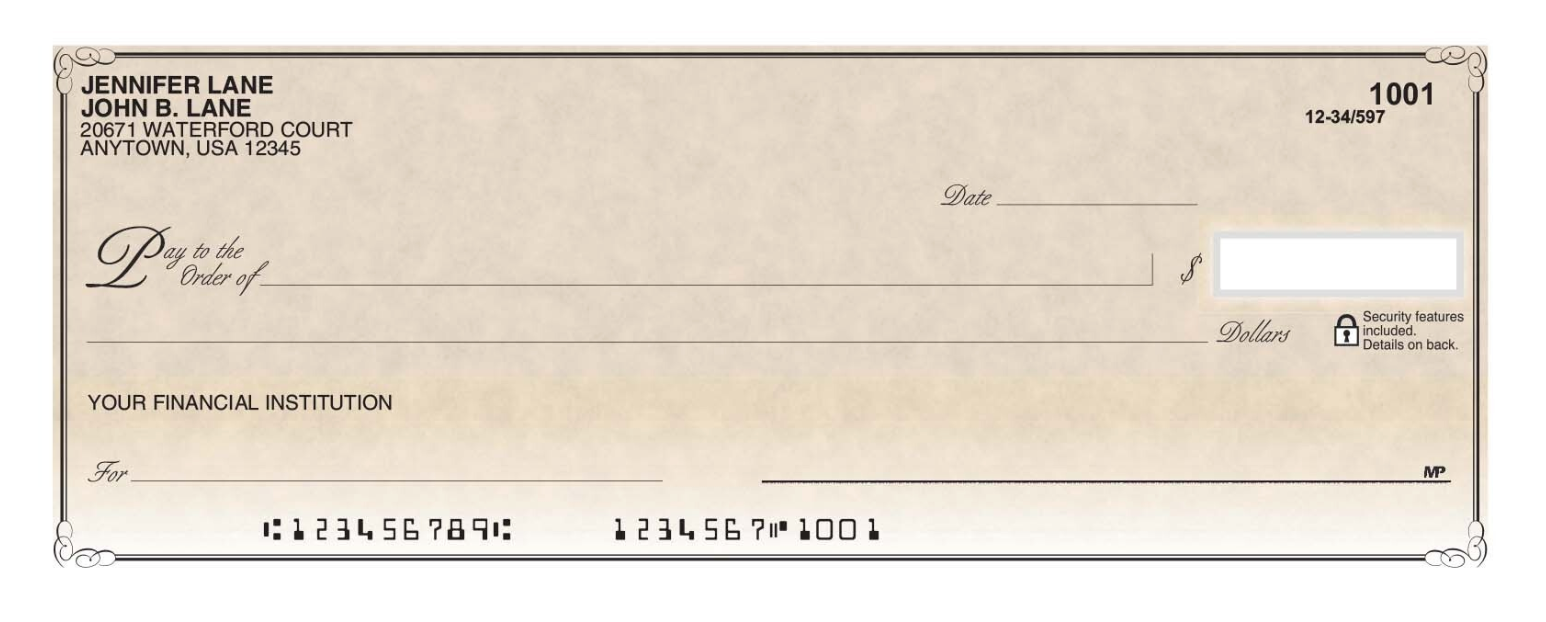
1-on-a-page business checks provide one full-size check per page, often with additional space for detailed records. They work well for payments that require more documentation.
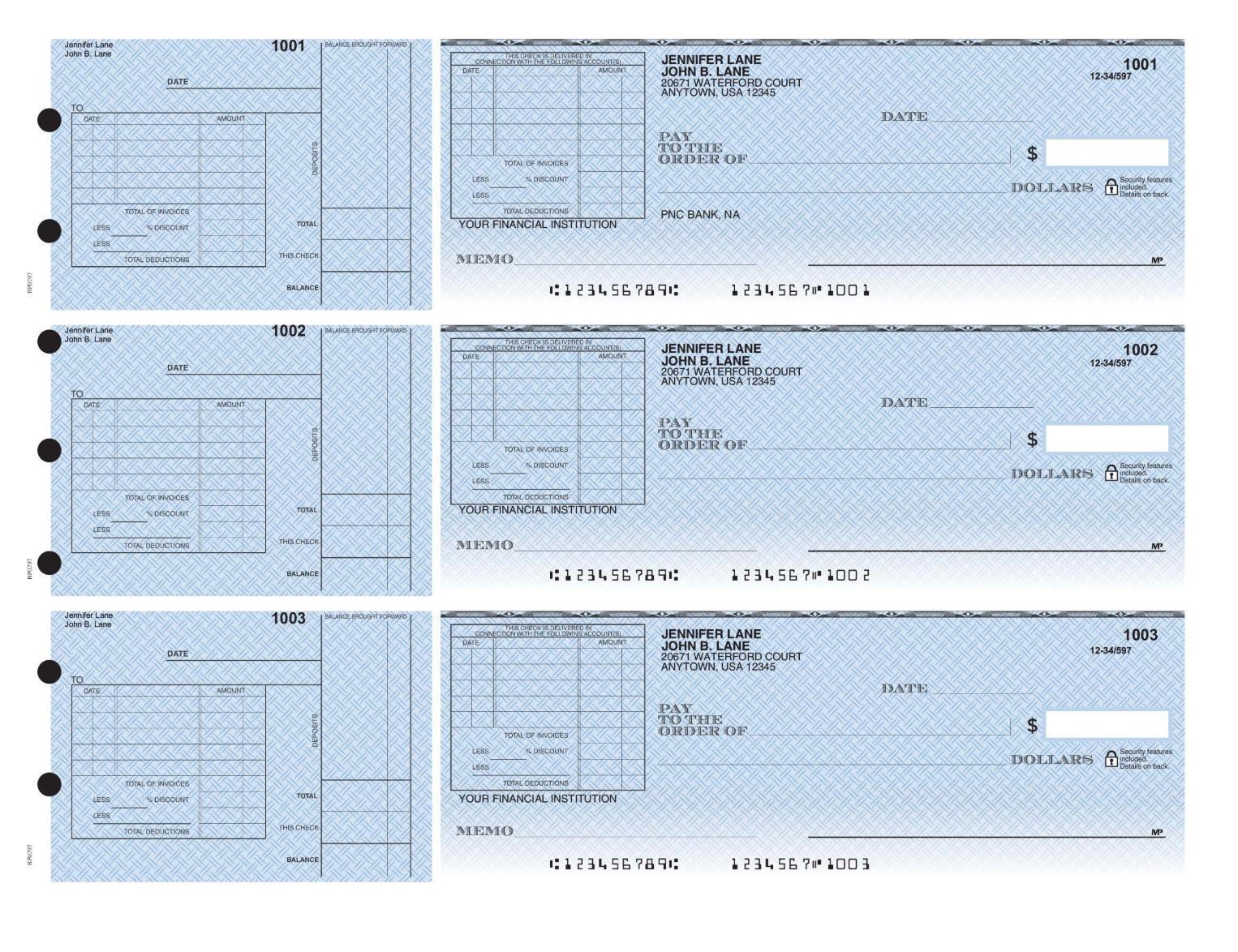
3-on-a-page business checks are a practical option for businesses that prefer manual checkwriting and binder-style organization.
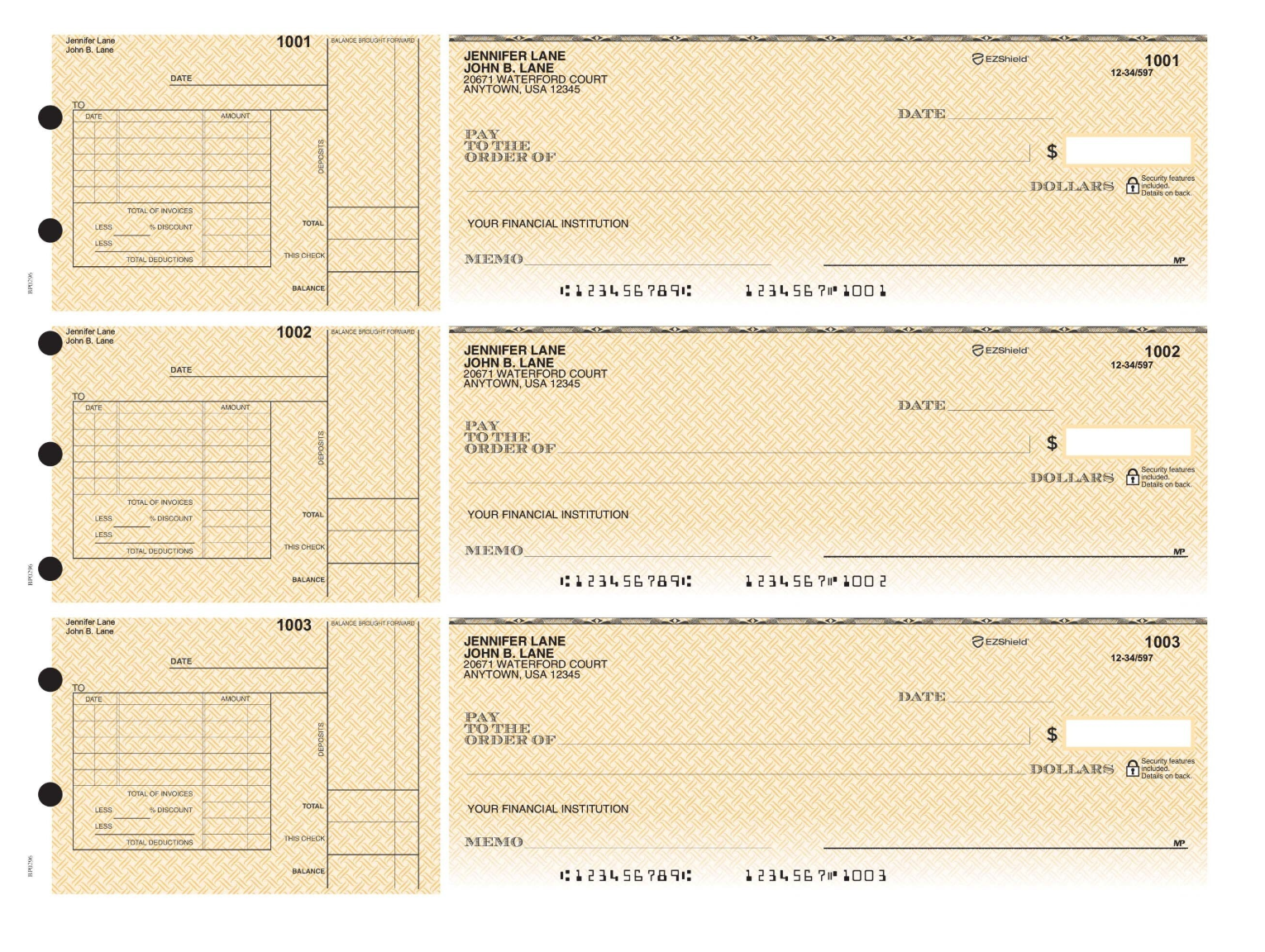
Voucher and payroll checks are designed for payments that need supporting details, such as employee wages, contractor payments, reimbursements, or invoice notes.
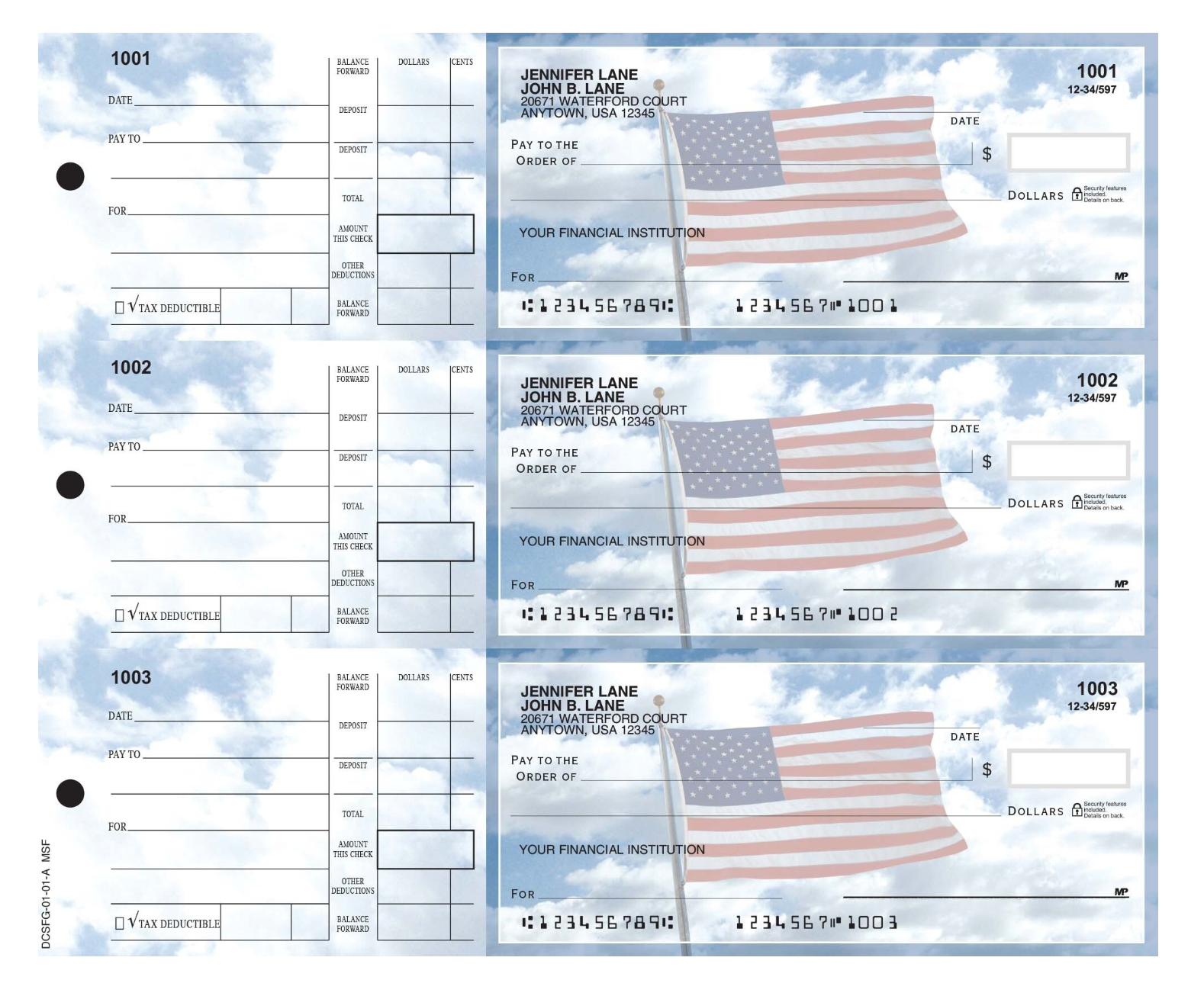
Desk checks offer a traditional office-friendly format for businesses that write checks by hand and want built-in recordkeeping space.
When Should You Use a Personal Check?
Use a personal check when the payment is tied to your own household or individual finances. This includes personal bills, gifts, school expenses, rent, club dues, or one-time services.
Personal checks are best when you do not need business-level tracking, payroll details, or company documentation.
When Should You Use a Business Check?
Use a business check whenever the payment is connected to your company. This includes paying employees, vendors, contractors, landlords, suppliers, and service providers.
Business checks help protect the separation between personal and company finances while giving your payments a more professional presentation. They also make it easier to maintain accurate records throughout the year.
Choose the Check That Matches the Payment
The main difference between a business check and a personal check comes down to purpose. Personal checks are made for individual expenses, while business checks are designed for professional transactions, better documentation, and cleaner accounting.
For everyday household payments, personal checks are simple and reliable. For company payments, business checks offer more options, including laser checks, 1-on-a-page checks, 3-on-a-page checks, voucher and payroll checks, and desk checks. Choosing the right format helps make every payment more organized, professional, and easy to track.
