

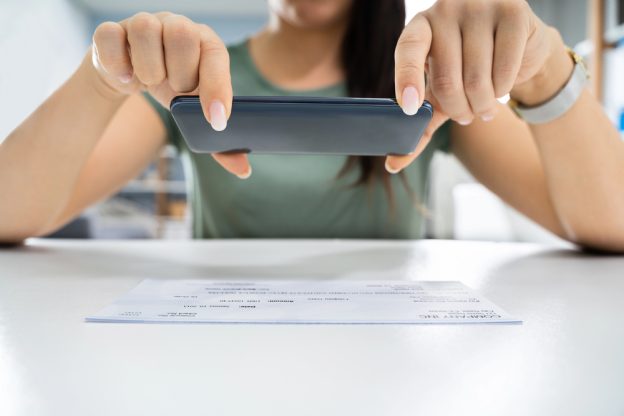
When you deposit a personal check, it may look like the money is in your account right away, but that does not always mean the check has fully cleared. Banks often make part or all of a deposit available before they have completed the full verification and collection process.
So, how long do personal checks take to clear? In many cases, a personal check clears within one to two business days. However, the exact timeline depends on your bank, the amount of the check, how you deposit it, and whether any holds apply.
If you still use checks for household budgeting, rent, gifts, or small business payments, understanding the clearing process can help you avoid overdrafts, returned deposits, and timing issues.
How Long Does It Usually Take for a Personal Check to Clear?
Most personal checks clear within one to two business days after deposit. A business day usually means Monday through Friday, excluding federal holidays. If you deposit a check after your bank’s cutoff time, on a weekend, or on a holiday, the processing timeline may not begin until the next business day.
For example, if you deposit a check on Monday morning, funds may become available on Tuesday or Wednesday. If you deposit that same check late Friday evening via mobile deposit, the bank may treat it as a Monday deposit, which could push its availability later in the week.
What Does “Cleared” Mean?
A check is considered cleared when the paying bank has verified and transferred the funds to your bank. This is different from funds being “available.”
Available Funds vs. Cleared Funds
Your bank may allow you to withdraw or spend part of a check deposit before the check has fully cleared. That early access is called funds availability. If the check is later returned due to insufficient funds, a stop payment, fraud, or an account issue, your bank may reverse the deposit.
That is why it is smart to be cautious with large personal checks, especially from unfamiliar payers.
Federal Law and Check Availability
Federal Regulation CC sets rules for how quickly banks must make certain deposited funds available. As of July 1, 2025, banks generally must make at least the first $275 of certain check deposits available by the next business day.
This does not always mean the entire check must be available immediately. Larger deposits, new accounts, repeated overdrafts, suspicious checks, or checks that may not be collectible can be subject to longer holds.
What Can Delay a Personal Check from Clearing?
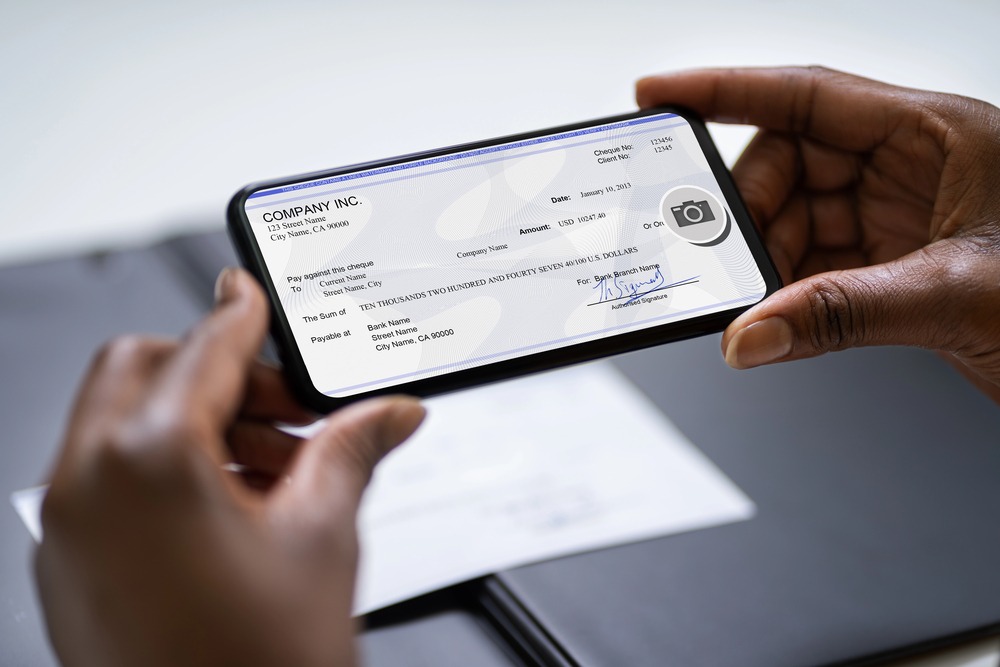
Several factors can slow down the clearing process, including:
Large Check Amounts
Banks may place longer holds on larger deposits, especially if the amount is unusual for your account.
New Bank Accounts
If your account is new, your bank may apply additional hold rules while it establishes your account history.
Mobile or ATM Deposits
Mobile deposits and ATM deposits can be convenient, but cutoff times and verification requirements may affect when funds become available.
Bank Holidays and Weekends
Checks are processed on business days. Deposits made before a long weekend may take extra time to clear.
Problems with the Check
Missing signatures, mismatched amounts, stale dates, insufficient funds, or suspected fraud can all delay or prevent a check from clearing.
How to Help Personal Checks Clear Smoothly
To reduce delays, make sure the check is filled out correctly before depositing it. Confirm the date, payee name, written amount, numerical amount, and signature. If you are ordering checks for everyday use, choose high-quality, bank-compliant designs from Checkworks so your payments look professional and are easy to process.
For personal payments, Checkworks offers a wide selection of personal checks that combine security, readability, and style. You can also browse check accessories to keep your checkbook organized and protected at home or on the go.
Should You Spend the Money Right Away?
Even if your bank makes funds available quickly, it is wise to wait until you are confident the check has cleared, especially for large checks or payments from someone you do not know well. Spending funds too soon can create problems if the check is returned.
Know the Timeline Before You Spend
Personal checks typically clear within one to two business days, but timing can vary. Deposit method, bank cutoff times, check amount, account history, and federal funds availability rules all play a role.
Before spending money from a deposited check, review your bank’s funds availability policy and check your available balance. A little patience can help you avoid fees, returned payments, and unnecessary account headaches.
