

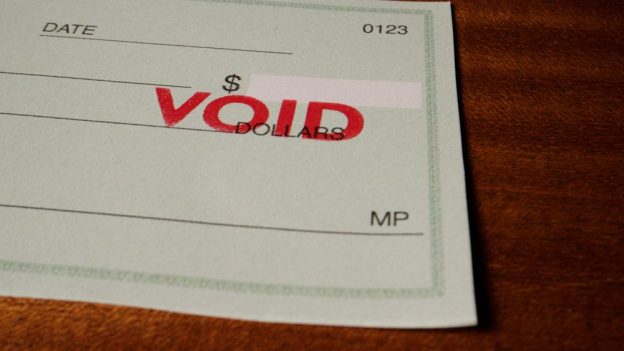
A voided check may look like an ordinary check, but it serves a very different purpose. Instead of being used to make a payment, a voided check provides important banking information while preventing the check itself from being cashed or deposited.
Whether you’re setting up direct deposit, arranging automatic payments, or correcting an error, knowing how to void a check properly can help protect your account and keep your financial records accurate.
What Is a Voided Check?
A voided check is a paper check that has been marked so it can no longer be used as a valid payment. It still displays useful banking information, including the routing number, account number, and check number.
Because of this, employers, financial institutions, and service providers may request a voided check to verify your banking details.
If you need new checks for everyday financial tasks, personal checks provide a convenient way to manage household payments and account records. Checkworks also offers business checks for companies that need check formats designed around accounting and recordkeeping.
How to Void a Check
Voiding a check only takes a few simple steps.
1. Start With a Blank Check
Choose an unused check from the bank account you need to verify. Do not add a payee, dollar amount, date, or signature.
2. Write “VOID” Across the Front
Using permanent ink, write VOID in large letters across the front of the check. Make the word noticeable enough that the check cannot easily be filled out and used.
Avoid completely covering the routing and account numbers at the bottom, since those details may be the reason the voided check was requested.
3. Record the Voided Check
Record the check number as voided in your check register, bookkeeping system, or other financial records. Doing so explains the gap in your check sequence and helps maintain accurate records.
Never hand over an unsigned blank check when someone specifically requests a voided check.
When Do You Need a Voided Check?
Direct deposit is one of the most common reasons to provide a voided check. Your employer may use the account and routing information to make sure your paycheck reaches the correct bank account.
You may also need a voided check when:
- Setting up automatic bill payments
- Authorizing electronic withdrawals
- Confirming bank account information
- Establishing payroll deposits
- Correcting a check written incorrectly
Businesses managing employee payments may also benefit from dedicated voucher and payroll checks, which include stubs designed to support payroll and recordkeeping needs.
What If You Don’t Have a Check to Void?
If you don’t keep paper checks on hand, ask the requesting organization whether it accepts another form of bank verification.
Depending on its requirements, alternatives could include a bank-issued direct deposit form, account verification letter, deposit slip, or another document displaying your routing and account numbers.
Always confirm exactly what documentation is acceptable before sharing sensitive banking information.
Void Checks Carefully and Keep Accurate Records
Learning how to void a check is simple, but doing it correctly can help prevent errors and unauthorized use. Clearly mark the check, keep the important banking numbers visible, and document the check as voided in your financial records.
From personal checks for everyday expenses to business checks and payroll solutions, Checkworks offers check styles for a range of personal and professional financial needs.
